Spotting the sign across Alabama
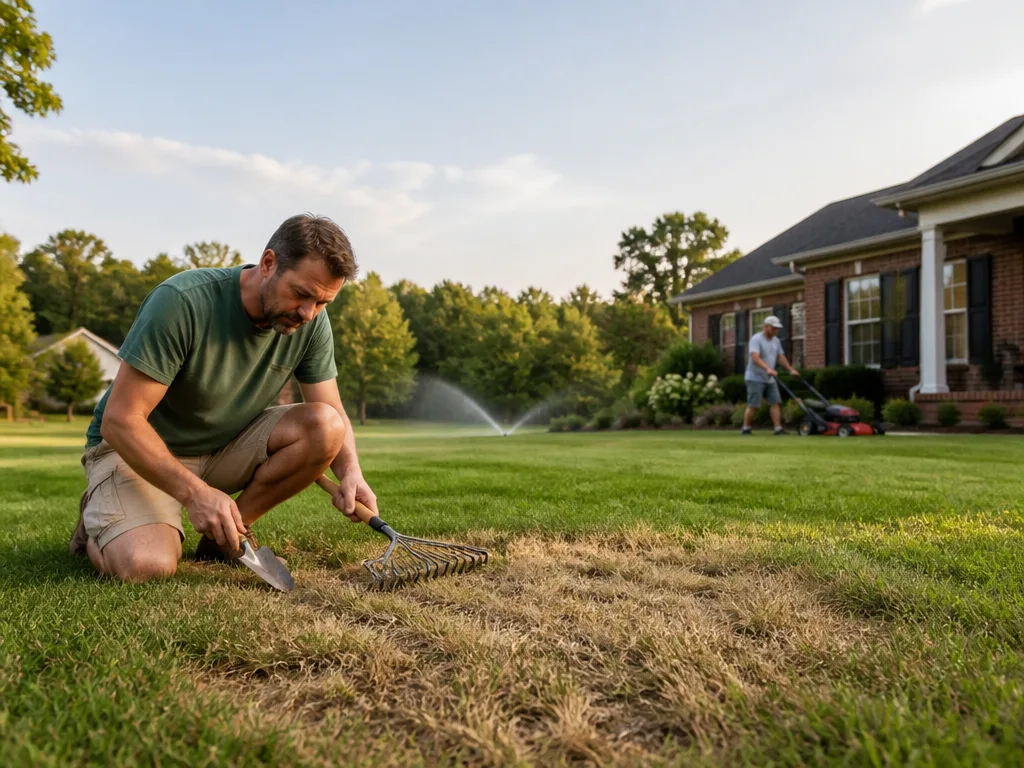
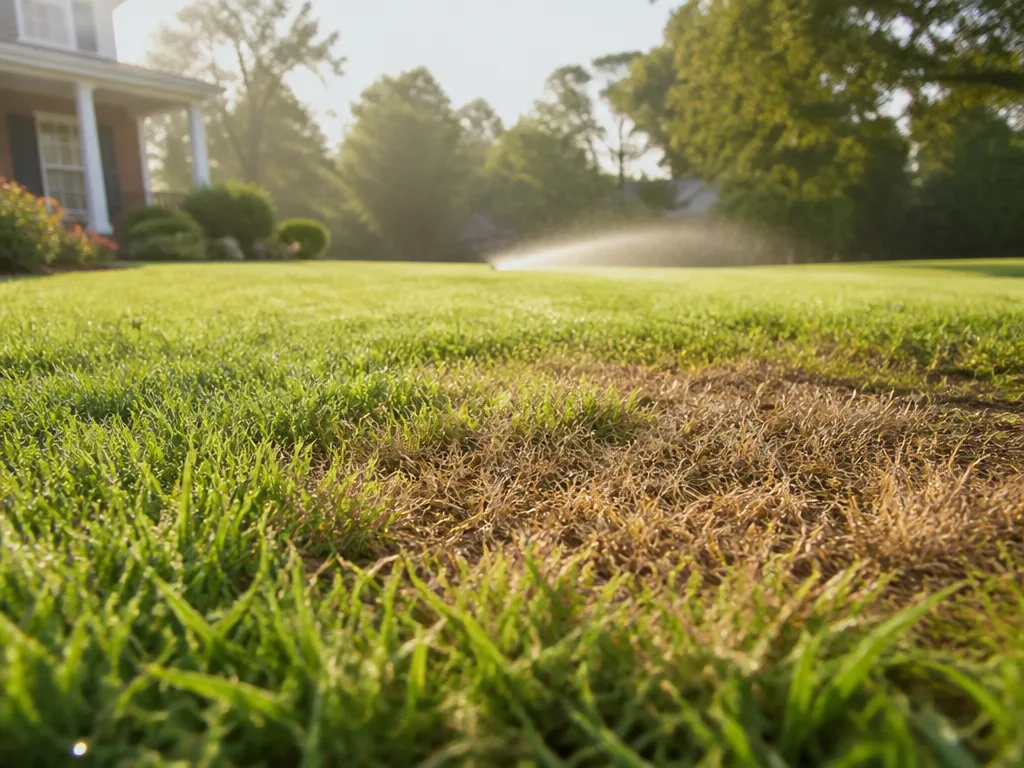
Brown patches are a frequent concern for homeowners from the Alabama panhandle to the southern counties. They appear as irregular, sunken, or ringed discolored areas that stand out against healthy green turf. In Alabama, heat, humidity, and saturated soils can all contribute to patchy spots. Our crew often sees patches after heavy rain followed by a dry spell, or after a bout of unusually hot days. The key is to observe size, shape, and timing. Is the patch spreading slowly or jumping around the yard? Are the edges crisp or blurred?
Across Alabama, different grasses show different symptoms. Bermudagrass often turns brown in drought stress, while fescues may brown with heat when not properly fertilized. Zoysia might go pale with waterlogged soil. The first step is a careful look at the affected area and a quick check of recent weather and maintenance history. This helps the Alabama Arborist Consultation team determine whether the issue is irrigation related, soil pH related, or caused by a disease or cultural problem.
Common culprits behind the color change
In Alabama, a few factors repeatedly show up. Low soil moisture during a heat wave will stress most warm-season grasses, turning patches brown. Poor drainage can cause water to pool and roots to suffocate, leading to discolored rings. Soil pH that is too acidic or too alkaline can hamper nutrient uptake, dulling color even when you’re feeding the lawn. If you’ve recently over-fertilized, you might see scorching at the patch edges. And yes, heat plus humidity creates a favorable mix for fungal issues that leave spots behind.
Knowing the pattern helps. If the patch grows slowly, the problem is often environmental or soil-based. If it spreads quickly after a rainfall, drainage or irrigation problems might be at play. A lawn care specialist from Alabama Arborist Consultation will examine the root zone and the canopy to determine the best course of action without rushing to a quick fix.
Actions you can take now
First, give the lawn a steady, moderate watering schedule. In Alabama heat, aim for about 1 inch of water per week, delivered deeply a couple of times rather than a light daily sprinkle. Check for runoff and adjust accordingly. Next, avoid heavy traffic on stressed areas and keep blades sharp so you don’t stress blades more while mowing. If patches persist, consider a core aeration in late spring or early fall to improve soil structure. Our lawn care specialists can recommend a plan tailored to your soil type and grass species across Alabama.
Finally, test your soil every year. A simple test will show you pH and nutrient levels and guide lime or nutrient applications. If you find a persistent brown patch despite these steps, it’s time to call a lawn care specialist. Across Alabama, our crews assess patchy areas with soil tests, check irrigation coverage and adjust recommended feeding to restore color and vigor.
Making a plan with Alabama Arborist Consultation
We work statewide, with crews in every Alabama metro ready to help. When you call, we’ll review your lawn’s past care, current irrigation, and recent weather impacts before walking your yard. Our goal is clarity and practical care, not guesswork. We’ll outline a step by step plan that fits your grass type, your soil, and your schedule. No hype, just solid guidance and steady work on the ground across Alabama.